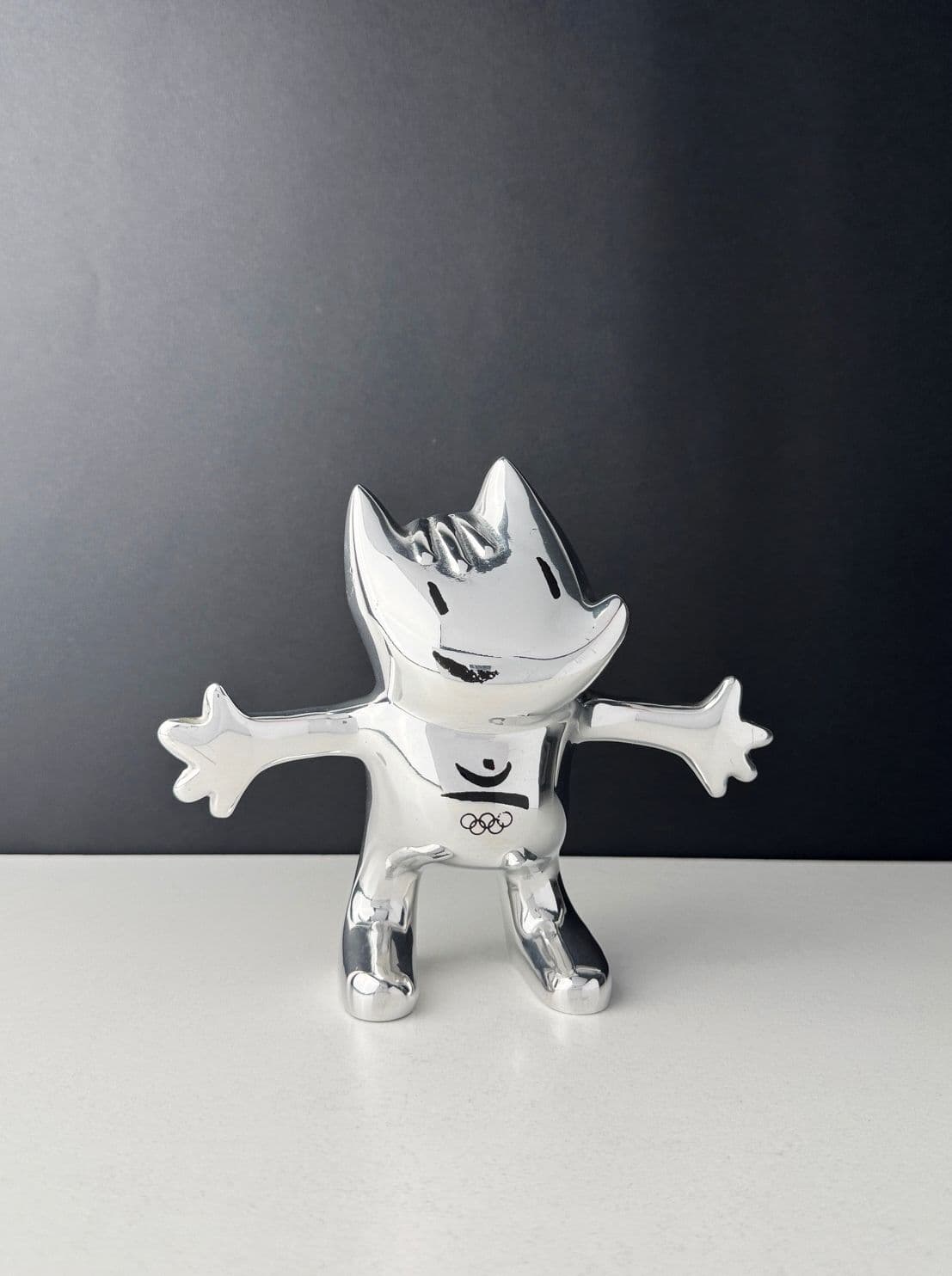
Javier Mariscal: Design, Color, and Mediterranean CultureJavier Mariscal (Valencia, 1950) is one of the most influential and recognizable figures in contemporary Spanish design. A designer, illustrator, and multidisciplinary artist, Mariscal has developed a unique body of work that blends art, design, graphic expression, and popular culture, defined by an unmistakable language of bold color, humor, and creative freedom.Origins and CareerLargely self-taught and deeply experimental, Mariscal moved to Barcelona in the 1970s, where he became a central figure in the city’s graphic counterculture and in the creative movement that would later define Barcelona’s international design identity. Beginning with comics and illustration, his visual universe quickly expanded into industrial design, furniture, lighting, graphic design, and interior architecture.In 1989, he founded Estudio Mariscal, a multidisciplinary studio through which he has developed international projects that combine design, storytelling, and spatial experience.Style and PhilosophyMariscal’s work is characterized by:a free and expressive use of color,organic, seemingly naïve forms,a joyful, Mediterranean, and deeply human aesthetic,and a vision of design as a cultural and emotional tool, beyond pure functionality.For Mariscal, designing means telling stories, creating worlds, and connecting with people through emotion and imagination.Iconic Works and ProjectsAmong his most celebrated creations are:Cobi (1992), the mascot of the Barcelona Olympic Games, which became a global cultural icon.Furniture and objects for brands such as BD Barcelona Design, where his graphic language is translated into three-dimensional form.Interior design and hospitality projects across Europe and Asia, conceived as immersive design experiences.Lighting and everyday objects that merge practicality with strong visual expression.Recognition and LegacyJavier Mariscal has received numerous awards and international recognition, and his work is included in museum collections and major exhibitions worldwide. His influence extends across disciplines, making him a key figure in understanding the evolution of Spanish design from the 1980s to the present.Mariscal represents a way of designing that is free, optimistic, and deeply personal, where design is not just about solving problems, but about celebrating life, cities, and contemporary visual culture.